

Finishing a manuscript is no small thing.
It requires discipline, courage, and often years of quiet commitment. But completing a manuscript and preparing a book for publication are not the same milestone — and understanding the difference is one of the most important steps an author can take.
Writing is expansive. Publishing is precise.
When you are drafting, the goal is freedom — following memory where it leads, exploring themes, discovering meaning. The manuscript is allowed to breathe. It can be imperfect. It should be.
But publication requires structure.
A book entering the public world must hold together under scrutiny. It must be clear, cohesive, legally sound, properly formatted, and prepared for distribution across platforms that operate within strict technical standards. It must read smoothly not just for the writer, but for the reader.
This is where editorial process matters.
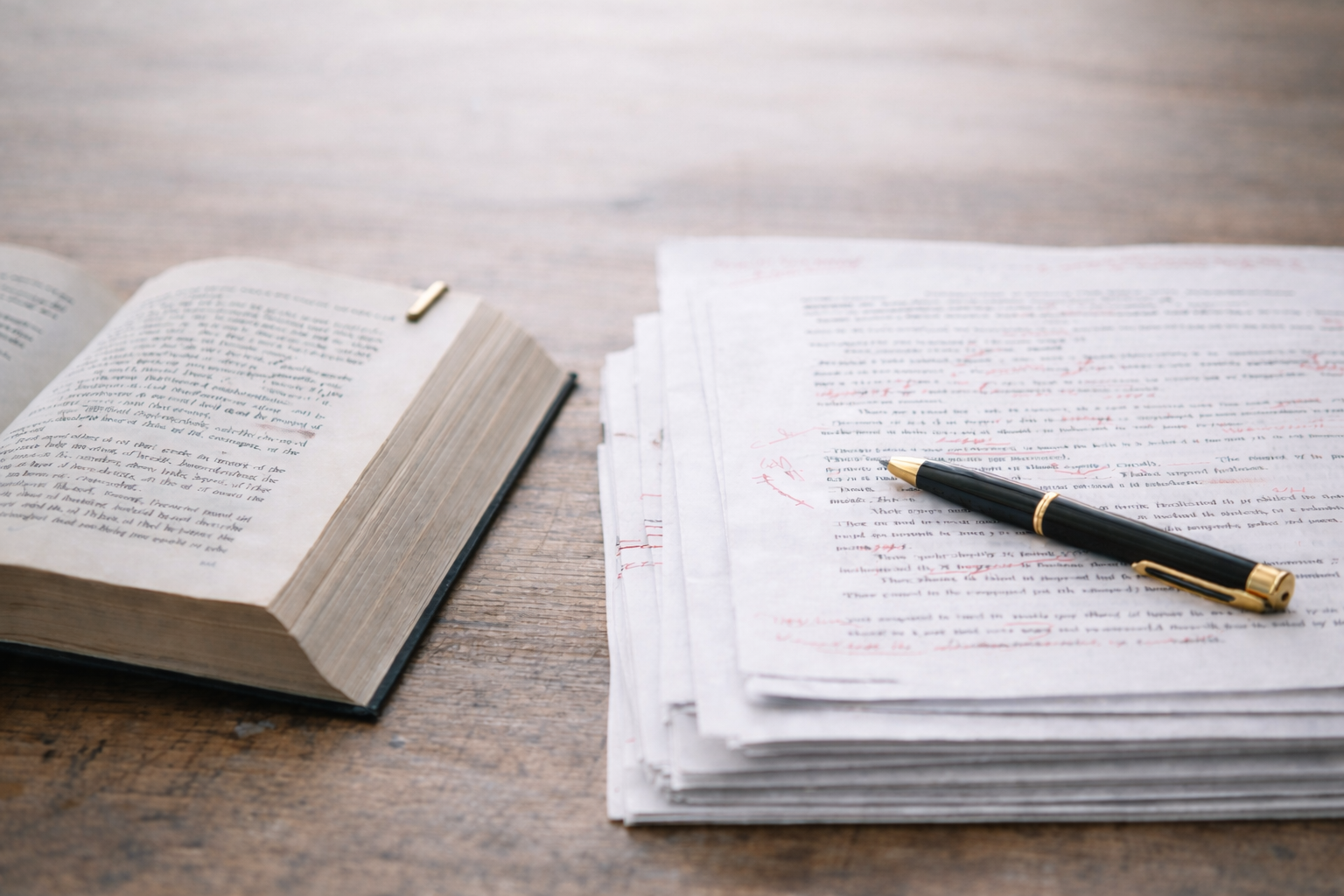
Professional editing does not exist to change an author’s voice. It exists to clarify it. It ensures continuity, eliminates distraction, strengthens pacing, and protects both the author and publisher from avoidable errors. It transforms a manuscript from a personal document into a public-facing work.
Design then gives the story form. Layout guides the reader’s eye. Typography creates rhythm. Distribution places the finished work into the broader literary ecosystem.
Each stage serves the story differently.
At Pilcrow Publishing, we often tell authors: the manuscript is the heart of the book — but production is the framework that allows it to stand.
A thoughtful publishing process does not rush this transformation. It respects it.
Because when a story moves from private pages into readers’ hands, it deserves to arrive prepared.
Rooted in Story.
Marking the Beginning of Every Story.